
Enhancing Food Safety with Irradiation
Food Irradiation is a well established method of improving food safety by reducing or eliminating harmful microorganisms such as salmonella, E. coli and Listeria.
In 1980 an expert committee set-up by the FAO/WHO and IAEA concluded that food irradiation up to an average dose of 10kGy presented no toxicological hazards and that there are no adverse nutritional impacts. As a consequence the expert committee concluded that irradiated food is safe and wholesome.
Food irradiation is not a new technology or a novel process and has long helped to ensure food safety in certain critical situations which have included astronauts during space travel and immunosuppressed patients whilst in hospital. In some parts of the world food irradiation is well established for certain products.

Food Irradiation improves the safety of many products
Food safety aims to avoid consumers becoming unwell, hospitalised or, in extreme cases dying, as a consequence of exposure to harmful pathogens (bacteria, viruses and parasites) that contaminate raw products. Common bacteria include Salmonella (poultry) E.coli and Listeria (meat) Campylobacter (poultry). The items listed below can benefit from irradiation to meet food safety standards.
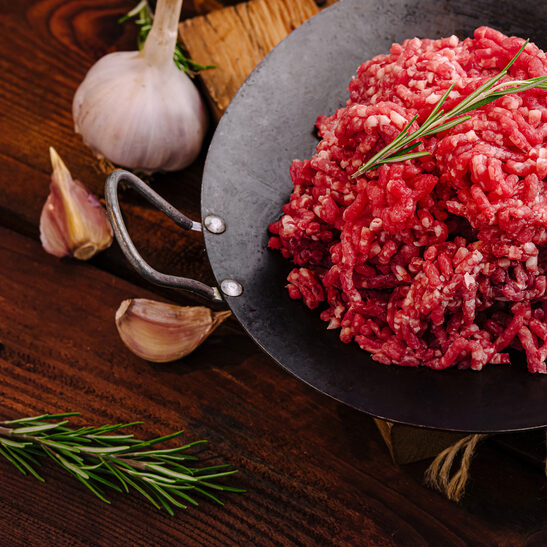
Meat
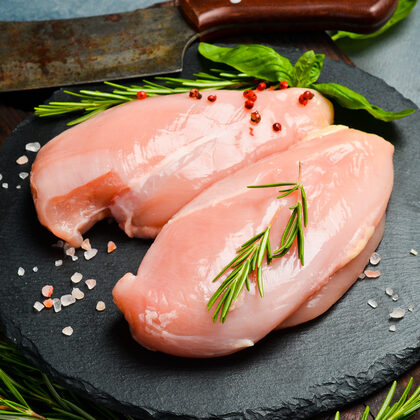
Poultry
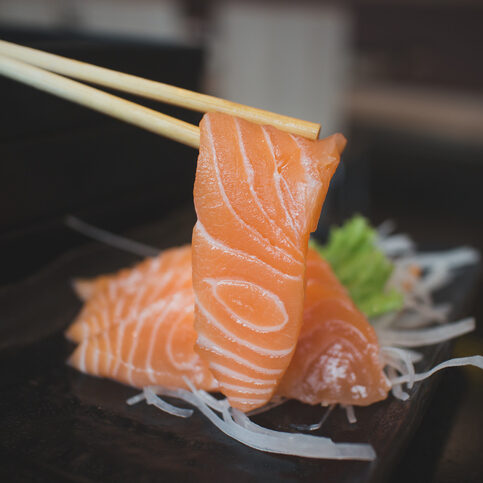
Seafood
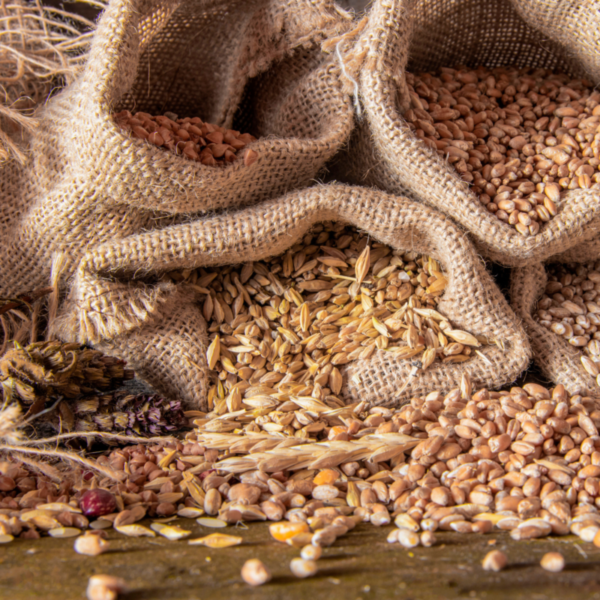
Grains and Cereals
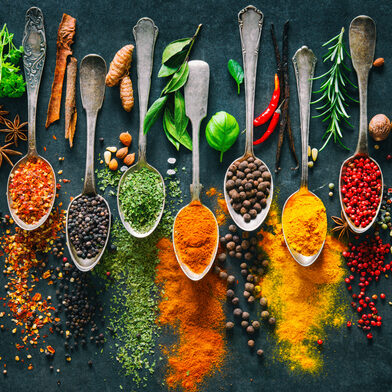
Herbs, Spices and Seasonings

How does irradiation work?
Like cold or heat, irradiation is a safe physical process during which energy is transferred from a source of ionizing radiation to a product. The quantity of energy transferred per mass of product is called the dose and is expressed in grays (symbol Gy). This dose is controlled to achieve the desired effect without impairing the quality of the product.
For more information on irradiation please visit the Resources section of the International Irradiation Association website.
Food Safety
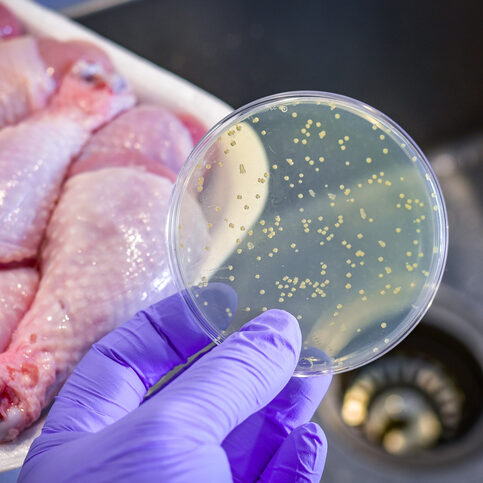
Food irradiation offers opportunities to improve food safety by killing bacteria and by extending the shelf life of produce. A common form of bacteria that is present meats such as chicken is salmonella. This is widely understood by consumers who must take care when handling, storing and preparing food.
A surprisingly broad range of foods can be irradiated under national and international regulations and standards. The attitude towards irradiation does vary vary but outside of Europe the value of the technology is increasingly well recognised.
Despite it being possible to irradiate a reasonably broad range of products under existing rules and regulations actual process volumes remain very small. The greatest challenge, assuming a supportive regulatory environment, is commercial and to a lessor extent knowledge and awareness.
Commercial challenges include a lack of facilities, seasonal variability of volumes and transportation and handling costs. Processing is best suited to situations were the product is of high value or where there could be an adverse reputational or financial impact if consumers were to become ill or worse when caused by bacteria present in food.
How can PFiP help?
There is an opportunity to improve awareness and understanding of the technology and the benefits of use. Improving growers, wholesalers and retailers knowledge of the technology would be valuable in developing commercial opportunities.
The relationship with IFIS will be of great assistance in sharing knowledge, and in discussing the collective actions that will be required to unlock the potential for improving health by using irradiation as a tool in achieving food standards.
Commercial companies and investors need support in making equipment selections and developing business plans and financing models. These challenges can be be addressed through industry collaboration.